| Entries |
| S |
|
South Holland, IL
|
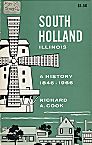
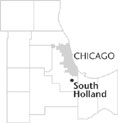 Cook County, 20 miles S of the Loop. South Holland evolved from a nineteenth-century agricultural community of
Dutch
immigrants into a twentieth-century
commuter
suburb. Founded in 1846 and incorporated as a village in 1894, the community retained much of its ethnic and
agricultural
heritage for over one hundred years. As farmlands were converted to housing developments and industrial parks, and as the population grew larger and more diverse, South Holland assumed a new role as a racially and ethnically diverse residential suburb.
Cook County, 20 miles S of the Loop. South Holland evolved from a nineteenth-century agricultural community of
Dutch
immigrants into a twentieth-century
commuter
suburb. Founded in 1846 and incorporated as a village in 1894, the community retained much of its ethnic and
agricultural
heritage for over one hundred years. As farmlands were converted to housing developments and industrial parks, and as the population grew larger and more diverse, South Holland assumed a new role as a racially and ethnically diverse residential suburb.
|
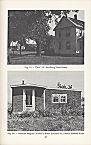
After World War II, South Holland's role in the metropolitan system began to change. Chicagoans hoping to escape the troubles of urban life and developers wanting to satisfy their housing needs found the suburb a desirable location. Once again the open lands proved attractive as farms and farmers gave way to subdivisions and families. Interstate Highways 57 and 94, which made the downtown easily accessible, further encouraged the transformation. The final assault on agriculture came as the local government turned to industrial parks as a tax base.
|
No longer reliant on agriculture and no longer predominantly Dutch, South Holland nevertheless holds onto its ethnic past. Tulip festivals capitalize on it and Dutch-denominated churches remind us of it.
| South Holland, IL (inc. 1894) | |||||
| Year |
Total
(and by category) |
Foreign Born | Native with foreign parentage | Males per 100 females | |
| 1900 | 766 | — | — | — | |
| 1930 | 1,873 | 12.7% | 37.0% | 100 | |
| 1,873 | White (100.0%) | ||||
| 1960 | 10,412 | 4.7% | 22.3% | 95 | |
| 10,396 | White (99.8%) | ||||
| 16 | Other races (0.2%) | ||||
| 1990 | 22,105 | 4.1% | — | 94 | |
| 18,993 | White (85.9%) | ||||
| 2,563 | Black (11.6%) | ||||
| 14 | American Indian (0.1%) | ||||
| 371 | Asian/Pacific Islander (1.7%) | ||||
| 164 | Other race (0.7%) | ||||
| 509 | Hispanic Origin* (2.3%) | ||||
| 2000 | 22,147 | 5.2% | — | 89 | |
| 9,975 | White alone (45.0%) | ||||
| 11,253 | Black or African American alone (50.8%) | ||||
| 37 | American Indian and Alaska Native alone (0.2%) | ||||
| 190 | Asian alone (0.9%) | ||||
| 2 | Native Hawaiian and Other Pacific Islander alone (0.0%) | ||||
| 428 | Some other race alone (1.9%) | ||||
| 262 | Two or more races (1.2%) | ||||
| 836 | Hispanic or Latino* (3.8%) | ||||
The Encyclopedia of Chicago © 2004 The Newberry Library. All Rights Reserved. Portions are copyrighted by other institutions and individuals. Additional information on copyright and permissions.